

Summary
Dental implants have transformed modern tooth replacement by offering a strong, natural-looking, and long-lasting solution for missing teeth. Whether replacing one tooth or a full arch, implants can restore comfort, confidence, and oral function in ways that traditional options often cannot.
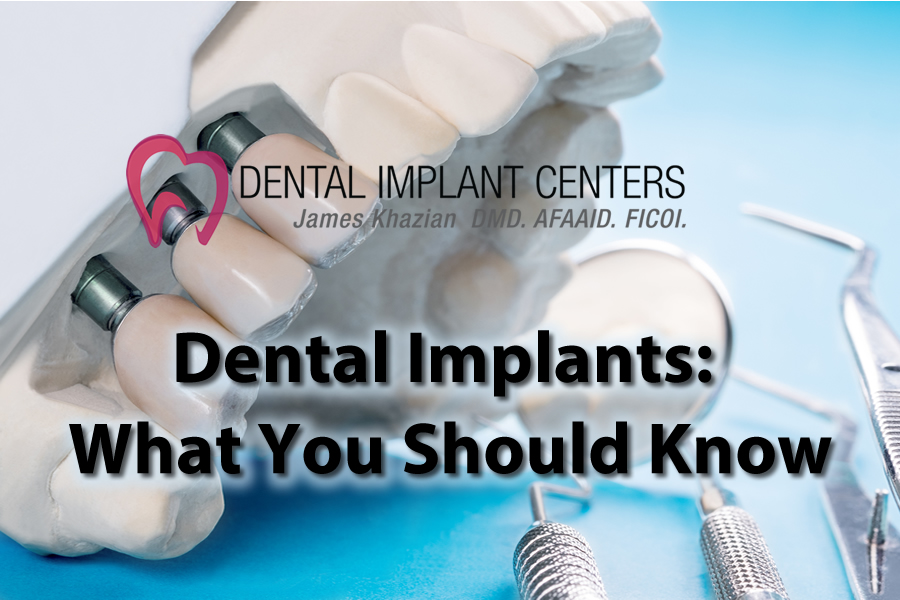
Dental Implants: What You Should Know
Missing teeth can affect much more than appearance. They can influence the way you eat, speak, and feel about yourself every day. Fortunately, modern dentistry offers a long-lasting and highly effective solution: dental implants. Over the past several decades, dental implants have become one of the most trusted methods for replacing missing teeth because they are designed to look, feel, and function like natural teeth.
If you are considering tooth replacement options, understanding the basics of dental implants can help you make a confident and informed decision.
What Are Dental Implants?
Dental implants are artificial tooth roots that are surgically placed into the jawbone. They are usually made from titanium, a strong and biocompatible material that safely integrates with bone. Once the implant heals and bonds with the jawbone, a custom-made crown, bridge, or denture is attached to restore the appearance and function of missing teeth.
Unlike traditional dentures or bridges, dental implants replace both the visible tooth and the root beneath the gums. This gives them exceptional stability and durability.
Dental implants can be used to replace:
- A single missing tooth
- Several missing teeth
- An entire upper or lower arch of teeth
- Full-mouth tooth loss with advanced solutions such as All-on-4®
Why Are Dental Implants So Popular?
Dental implants have become increasingly popular because they offer benefits that many traditional tooth replacement options cannot provide.
One of the biggest advantages is stability. Since implants are anchored directly into the jawbone, they do not move or shift when eating or speaking. This allows patients to enjoy a more natural experience compared to removable dentures.
Another major benefit is bone preservation. When a tooth is lost, the jawbone underneath can begin to shrink over time. Dental implants help stimulate the bone much like natural tooth roots, helping maintain bone density and facial structure.
Patients also appreciate the natural appearance of implants. Custom restorations are designed to blend seamlessly with surrounding teeth, creating a confident and attractive smile.
The Dental Implant Process
The dental implant process usually takes place in several stages. While every patient’s treatment plan is unique, the general process includes:
Initial Consultation
The first step involves a detailed examination of the teeth, gums, and jawbone. X-rays or 3D imaging may be used to determine whether enough bone is available to support an implant.
Implant Placement
During the surgical phase, the dental implant is carefully placed into the jawbone. Local anesthesia is typically used to ensure comfort during the procedure.
Healing and Integration
After placement, the implant needs time to fuse with the bone through a process called osseointegration. This healing period is essential for creating a strong and stable foundation.
Final Restoration
Once healing is complete, a connector called an abutment is attached to the implant, followed by the final crown, bridge, or denture.
The result is a restoration that looks and functions similarly to a natural tooth.
Are Dental Implants Painful?
Many patients are surprised to learn that dental implant procedures are often more comfortable than expected. Because local anesthesia is used, the procedure itself is generally painless.
After surgery, mild swelling or soreness may occur, but this is usually temporary and manageable with standard post-operative care instructions. Most patients return to their normal routines within a short time.
Who Is a Good Candidate for Dental Implants?
Many adults with missing teeth are candidates for dental implants. Good candidates generally have:
- Healthy gums
- Adequate jawbone support
- Good overall health
- Commitment to maintaining oral hygiene
Even patients who have experienced some bone loss may still qualify for implants with additional procedures such as bone grafting.
Teenagers and children are usually not candidates because their jawbones are still developing.
Dental Implants vs Dentures
Dentures have long been a traditional solution for missing teeth, but dental implants offer several important advantages.
Implants are fixed in place and do not require adhesives. They allow for stronger chewing ability and often feel more natural. Unlike dentures, implants also help preserve jawbone structure.
While dentures may still be appropriate in some situations, many patients prefer implants because of their comfort, stability, and long-term reliability.
Caring for Dental Implants
One of the advantages of dental implants is that they can be cared for much like natural teeth. Regular brushing, flossing, and dental checkups are essential for maintaining healthy gums and protecting the implant.
Although implants cannot develop cavities, the surrounding gum tissue still needs proper care to prevent infection or inflammation.
With good oral hygiene and routine dental visits, dental implants can last for many years and often decades.
Common Reasons People Choose Dental Implants
People choose dental implants for many different reasons, including:
- Replacing missing teeth permanently
- Improving speech and chewing ability
- Preventing jawbone loss
- Enhancing smile appearance
- Increasing confidence in social settings
- Avoiding removable dentures
For many patients, implants provide both functional and emotional benefits.
Final Thoughts
Dental implants have transformed modern tooth replacement by offering a strong, natural-looking, and long-lasting solution for missing teeth. Whether replacing one tooth or a full arch, implants can restore comfort, confidence, and oral function in ways that traditional options often cannot.
If you are considering dental implants, learning about the process, benefits, and long-term care requirements is an important first step. Speaking with an experienced dental professional can help determine whether implants are the right choice for your smile and overall oral health.
With proper planning and care, dental implants can provide a reliable foundation for a healthier and more confident future.
For more information about dental implants, all-on-4, all-on-6, bone grafts, sinus graft, full mouth reconstruction, snap on dentures, and cosmetic dentistry, you may request a free consultation with Dr. James Khazian by clicking here or call 866-4my-smile (866-469-7645).